
A Practical Guide to Choosing Annatto Extract for Food Products
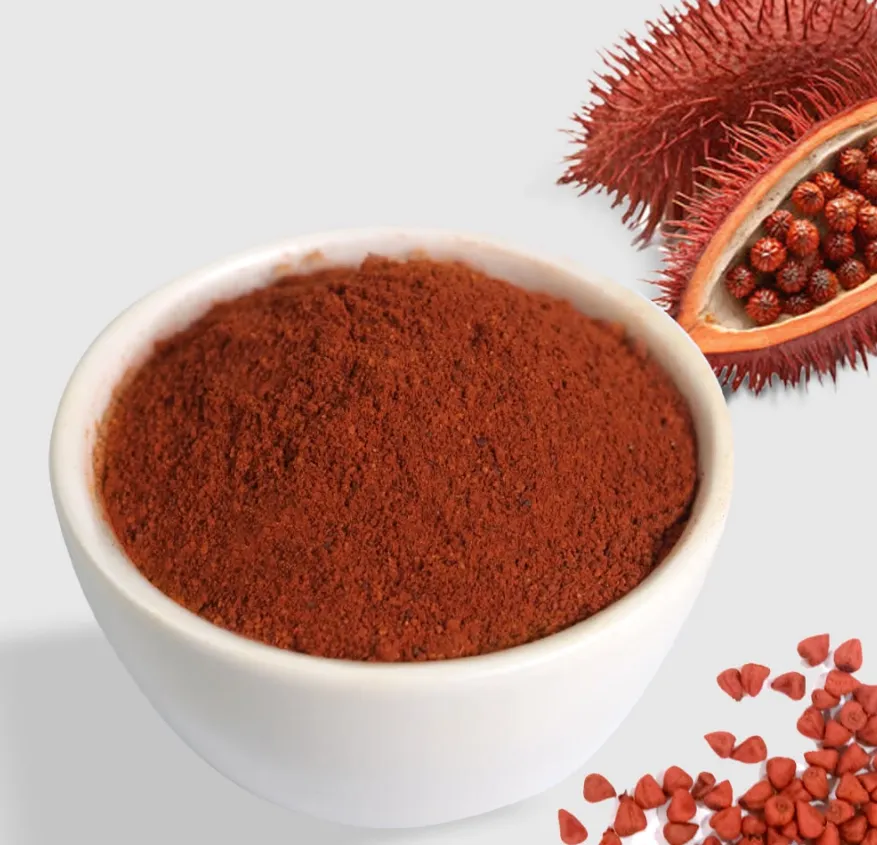
It is important to consider the final product, desired shade, formulation and manufacturing process when choosing an ingredient that is natural in color. Annatto will give a range of warm yellow, golden, and orange colors to foods. One solution that manufacturers can utilize when creating these shades in their products, like dairy products, sauces, snacks, bakery products, some drinks, and confectionery, is Annatto Extract. A practical evaluation process can assist the developer in selecting an ingredient and application technique that are suitable.
Define the Target Shade
The first thing you need to do is to determine the final product. Annatto-based colors may be used to add various shades and hues of yellow, golden and orange to the color.
Manufacturers can establish the level of yellow, warm golden or golden color of the metal. This provides a clear goal for product developers to use for comparing samples.
The flavor, packaging and even the overall product concept may be taken into account. If these elements have a consistent relationship, it will help to create a more cohesive presentation of the product.
Understand Annatto Extract
The achiote plant has pigmented seeds that are the source of annatto. Annatto is from the seeds of a naturally pigmented plant. Extracts may be tested based on the needs of the particular formulation of food.
The final presentation may differ based on concentration, food matrix, processing method and format of ingredients. Manufacturers should, therefore, consider the ingredient in the finished product, not just as a standalone ingredient. Small-scale testing can be helpful and give information prior to final selection.
Explore Annatto Food Color Applications
The annatto food color could be used in a few food classifications where yellow, golden, and orange colors fit the concept of the product. These include dairy foods, sauces, snack foods, bakery products, confectionery and selected beverages.
The formulation requirements may be different for each category. A soft golden color might be needed for a dairy product, whereas a strong orange color may be more desirable for a snack or sauce. Shade level can be adjusted during testing to find the shade that works for that manufacturer’s product.
Consider the Food Matrix
The food matrix may have an effect on the final color appearance. The color may be affected by moisture, acidity, fat content, texture and other ingredients that could interact and impact the final appearance.
Therefore, developers may use the full product recipe in order to make samples. Several samples can be compared to observe the performance of the annatto-based ingredient in realistic conditions. This is also useful to help determine the concentration and mixing method for the formulation.
Test Processing Conditions
The commercial food products may have multiple processing phases. Depending on the application, heating, baking, mixing, cooling, freezing, drying and filling can be applicable.
At the development trials, the critical steps in the manufacturing process can be reproduced by the manufacturer. This will allow teams to see the final result and decide on a suitable spot to apply the color. The mixing process can also be assessed in order to promote a uniform distribution in the product.
Review Ingredient Format
Natural color ingredients will be available in various forms, and manufacturers should choose a form that is suitable for their manufacturing process. Both liquid and powdered can work with various formulations.
Some equipment, moisture content, sequence of ingredients and how the color should be applied may dictate the preferred format. Manufacturers can gain an understanding of the ease of measurement, mixing and dispersion of the chosen format in their formulation through practical trials.
Consider Technical Information
Manufacturers can check the technical information and product specifications of ingredients before deciding on choosing an ingredient for commercial production. Information such as the source of the ingredients, format, instructions for use, handling information and recommended use of the ingredients are helpful.
The actual formulation can then be used to test the samples. The technical review and practical testing provide development teams with a greater foundation for their decision. Clear information can also assist procurement and production teams to have consistent specifications.
Plan for Commercial Production
Colour ingredient should be suitable for normal manufacturing, as it is selected during the development process. Potential production quantities, packaging alternatives, ordering schedules and future demand are all factors to consider for businesses.
Production teams will be able to replicate the desired look and production method across batches by documentation of the chosen concentration and application method. Early planning of supply requirements can also help to ensure a smooth transition from the development phase to commercial production of a product.
Conclusion
When selecting an annatto color, it is important to be familiar with the color shade desired, its application in food, its formulation, processing conditions, format of the annatto used, and the commercial requirements. Since no standards exist, careful testing of the samples can assist the manufacturer in determining the proper application and concentration level for the finished product. If you’re considering using annatto ingredients for a new food formulation, check out foodrgb.comand move your product development process forward.
Fiverr
